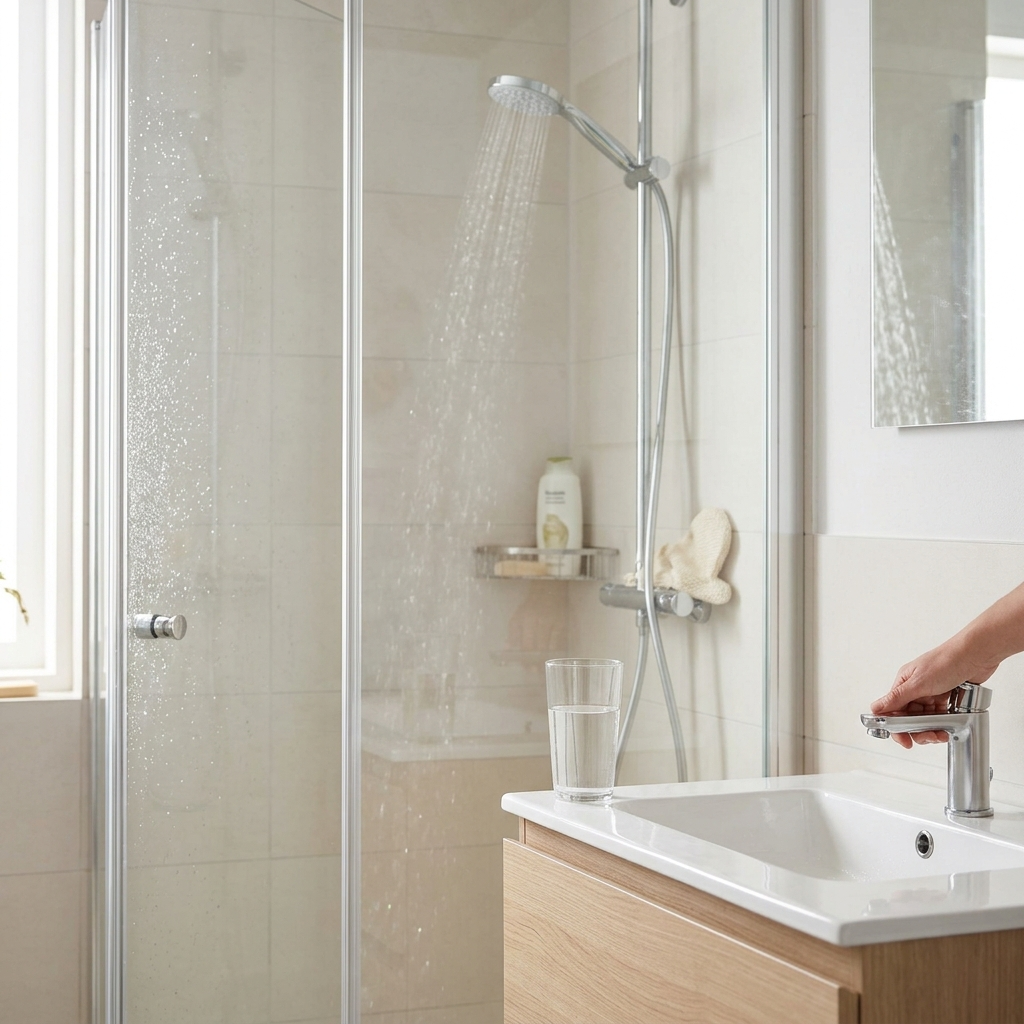
Sudden dizziness, falls, spikes in blood pressure, and decreased blood flow to the brain can begin with something as simple as a poorly taken shower. The risk isn’t in the water itself, but in how, when, and for how long we use it.
While showering is a daily ritual most of us never think twice about, certain habits can quietly strain your cardiovascular system—especially as you age or if you have existing heart conditions.
También te puede interesar

Let’s explore what these habits are and how to shower safely.
6 Shower Habits That Can Affect Your Heart
1. Extreme Water Temperatures (Too Hot or Too Cold)
What happens: Very hot water causes blood vessels to dilate (expand), which can drop blood pressure suddenly. Very cold water causes blood vessels to constrict, which can spike blood pressure.
The risk: Rapid temperature changes stress the cardiovascular system. For people with heart disease, high blood pressure, or a history of stroke, this can trigger dizziness, fainting, or even heart rhythm disturbances.
How to avoid it: Stick to warm (not hot) water—around 98-100°F (37-38°C). Avoid extreme temperature changes. If you enjoy a hot shower, end with lukewarm water, not cold.
2. Showering Immediately After Exercise
What happens: After intense exercise, your blood vessels are already dilated to help cool your body and deliver oxygen to muscles. Jumping into a hot shower further dilates vessels, which can cause blood pressure to drop suddenly.
The risk: Dizziness, lightheadedness, or fainting—especially dangerous on wet, slippery bathroom floors.
How to avoid it: Wait 10-15 minutes after exercise before showering. Cool down gradually. Start with lukewarm water, not hot.
3. Showering First Thing in the Morning (Without Waking Up First)
What happens: When you first wake up, your blood pressure is naturally at its lowest point of the day (morning hypotension). Your body also takes time to regulate circulation after lying down.
The risk: Standing up suddenly and stepping into a hot shower can cause a dramatic blood pressure drop, leading to dizziness or fainting.
How to avoid it: Sit on the edge of the bed for 2-3 minutes after waking. Drink a glass of water. Stretch gently. Then shower with lukewarm water.
4. Long, Hot Showers (Especially for Older Adults)
What happens: Prolonged exposure to heat causes blood vessels to dilate, diverting blood away from vital organs and toward the skin. This reduces blood flow to the brain.
The risk: Dizziness, confusion, fainting, or falls. For people with heart failure, prolonged heat exposure can worsen fluid balance and increase strain on the heart.
How to avoid it: Limit showers to 10-15 minutes. Keep water warm, not hot. Use a shower chair if you feel unsteady.
5. Standing Still for Long Periods
What happens: Standing motionless in a hot shower can cause blood to pool in your legs, reducing blood return to the heart and brain.
The risk: Lightheadedness, dizziness, or fainting—especially in people with low blood pressure or autonomic nervous system disorders.
How to avoid it: Keep moving gently. Shift your weight from foot to foot. Use a shower chair if needed. Keep showers short.
6. Showering When Dehydrated or After Alcohol
What happens: Dehydration reduces blood volume, making it harder for your heart to maintain blood pressure. Alcohol also dilates blood vessels and increases urine output, compounding dehydration.
The risk: A hot shower on an already dehydrated system can cause a dangerous drop in blood pressure, leading to fainting or falls.
How to avoid it: Drink water before showering. Avoid showering immediately after drinking alcohol. If you feel dizzy, sit down immediately.
Who Is Most at Risk?
Risk Factor Why
Older adults Natural decline in blood pressure regulation
People with heart disease Reduced ability to compensate for blood pressure changes
People with low blood pressure (hypotension) Already vulnerable to drops
People with diabetes Autonomic neuropathy can affect blood pressure regulation
Pregnant individuals Hormonal changes and increased blood volume affect circulation
Anyone on blood pressure medication Medications already lower pressure; hot showers can add to the effect
Safe Showering Guidelines
Keep water warm, not hot – Aim for 98-100°F (37-38°C)
Limit showers to 10-15 minutes – Longer isn’t better for your heart
Hydrate before showering – Drink a glass of water first
Wait after eating or exercise – Allow 30-60 minutes after meals, 10-15 minutes after exercise
Don’t lock the bathroom door – In case you need help
Use a shower chair or grab bars – Especially if you feel unsteady
If you feel dizzy, sit down immediately – On the shower floor or a chair
End with lukewarm water – Avoid sudden cold shocks
The Bottom Line
Showering is essential for hygiene and can even be therapeutic, but certain habits can strain your cardiovascular system. The risks are not about avoiding showers—it’s about showering smarter.
Small changes:
Turn down the temperature
Shorten your shower time
Hydrate first
Wait after exercise
Listen to your body
Your heart will thank you.